Buying Guides
Best Range Cookers 2026: Tested Picks for Every Budget

By the Hill & May team
Updated 2026
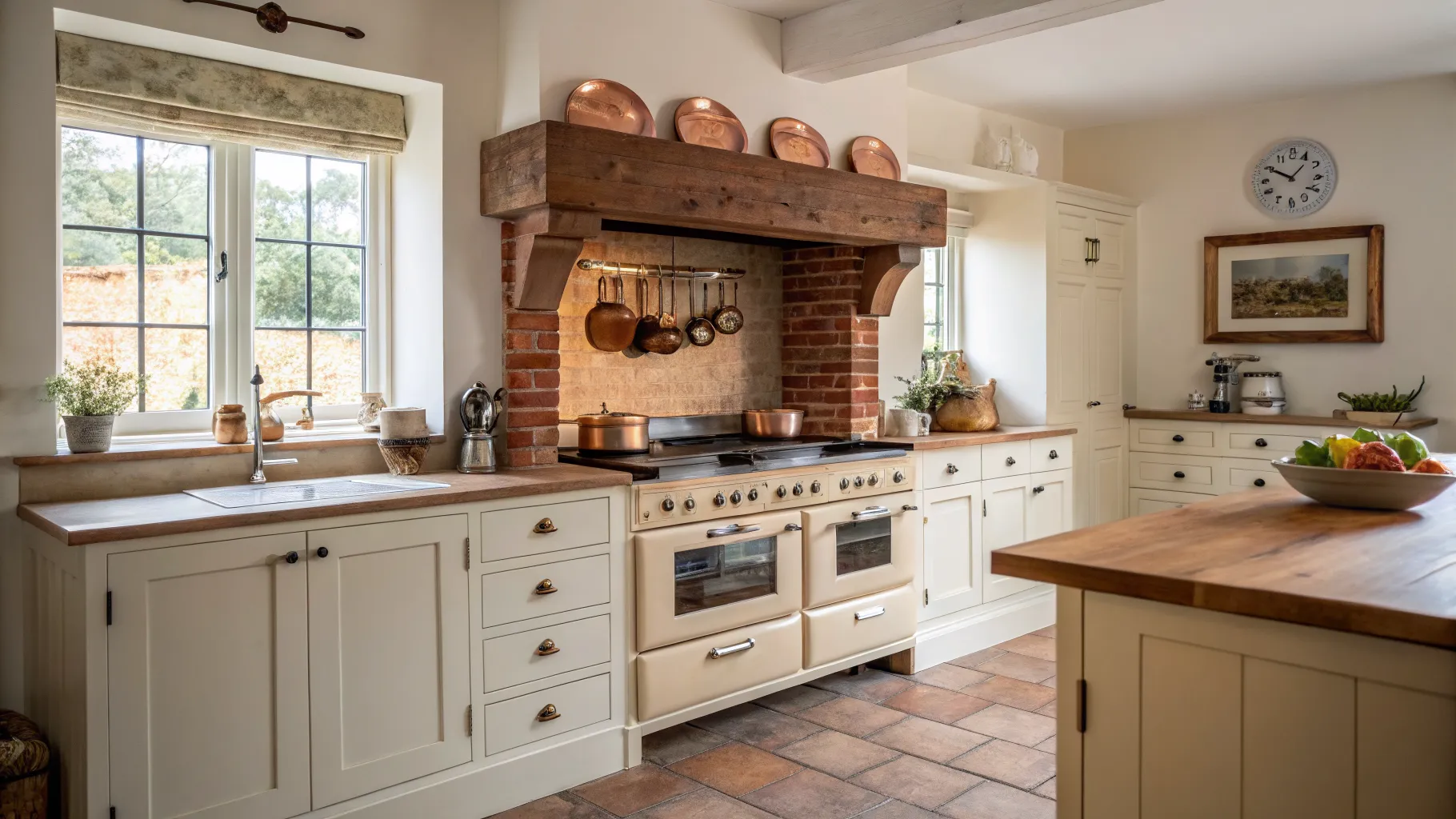
A range cooker is one of the few kitchen purchases that outlives the kitchen around it. Buy well and the same cooker will see you through two or three worktop changes and a couple of house moves. Buy on impulse, or on colour alone, and you can spend four figures on something that frustrates you every Sunday roast.
This guide covers the picks we rate most highly for 2026, grouped by budget rather than by brand. Prices below are real UK figures checked in May 2026. Range cookers are sold through dozens of independent retailers and discounts move week to week, so treat every number as a starting point and confirm at the till. We have also flagged running costs, because the gap between a dual-fuel Rangemaster and an always-on AGA is large enough to change which one is right for you, something we set out in full in our Aga vs Rangemaster comparison.
How we judged them
We weighted four things, in this order.
- Cooking performance. Oven capacity, number of separate cavities, hob burner output and how evenly the main oven holds temperature.
- Build quality. Gauge of the steel, whether burners are one-piece brass or pressed, door and hinge feel, and the manufacturer’s track record on parts.
- Running cost. What it actually costs to live with across a year on current energy prices, not just the sticker price.
- Fit for the buyer. A semi-professional steel range suits a busy family kitchen. A heat-storage cast-iron range suits a cold period house where you want background warmth. They are not interchangeable.
A quick note on fuel. Dual fuel means a gas hob with electric ovens, which most keen cooks prefer because you get a visible flame on top and even fan heat below. Full induction swaps the gas hob for an induction surface, which is faster to boil and cheaper per unit of useful heat. The Energy Saving Trust puts a modern gas hob at roughly 38 to 42 percent thermal efficiency, with most of the rest lost to the kitchen air, while induction delivers around 85 to 90 percent of its energy into the pan.
Best budget range cooker: Leisure Cuisinemaster 100cm dual fuel
From around £1,299
If you want a genuine 100cm range without a four-figure stretch, the Leisure Cuisinemaster is the sensible entry point. You get a gas hob, a main fan oven, a second cavity and a separate grill for not much more than a good freestanding cooker. Leisure is part of the AGA Rangemaster group, so spares and service are easy to source.
It will not feel as solid as a Rangemaster or a Falcon, the enamel is more prone to marking and the burners are pressed rather than one-piece brass. For a rented property, a first home or a utility kitchen, none of that matters much. For the money it is hard to beat.
Best for: first-time range buyers and landlords who want the look and the capacity without the premium.
Best four-oven family cooker: Stoves Richmond Deluxe 110cm dual fuel
From around £2,699
The Richmond Deluxe is the only mainstream range we know of that gives you four working ovens: a multifunction main oven with features like AirFry and bread proving, a fanned oven, a conventional oven with grill, and a dedicated slow-cook oven. For a household that batch cooks or hosts often, that capacity changes how you plan a meal.
It is British-made by Stoves, also part of AGA Rangemaster, and the dual-fuel hob handles everything from a gentle simmer to a wok burner. Stoves frequently runs cashback promotions, so the real-world price often lands lower than the headline.
Best for: big families and keen home cooks who want maximum oven flexibility under £3,000.
Best all-rounder: Rangemaster Professional Deluxe 110 dual fuel
From around £1,889 (Black), rising to roughly £2,250 to £2,600 in colours like Slate and Grey
This is the cooker we point most people towards when they have no strong feelings either way. The Professional Deluxe 110 is the model that made range cookers normal in British kitchens. You get two ovens plus a separate grill, a five-burner gas hob with a wok burner and griddle option, and cast-iron pan supports that take real abuse.
Rangemaster builds these by hand in Royal Leamington Spa, the brand sits at a sensible price, and parts and engineers are everywhere. The black finish is the cheapest by a clear margin, so if you are flexible on colour you can save a few hundred pounds.
Best for: the renovator who wants a proven, well-supported range and does not want to overthink it.
Best semi-professional: Falcon Deluxe and Mercury 1082
Falcon Deluxe dual fuel from around £3,850 to £4,500 depending on width and finish. Mercury 1082 dual fuel from around £5,095
Step up to semi-professional and the difference is in the metal. Falcon range cookers are made from thick 1.2mm gauge stainless steel with solid one-piece brass burners that lift out for cleaning, plus catalytic oven liners and heavy-duty shelves. The 1092 dual-fuel model runs five gas burners including a 5kW central burner for the heat a wok or a large stockpot actually needs. Falcon, like Rangemaster, is built in Royal Leamington Spa and traces its range-cooker lineage back to the 1830 Flavel Kitchener.
The Mercury 1082 sits at a similar level with a different look. It offers a multifunction electric oven, a separate fan oven, a grill and a five-burner gas hob, available in dual fuel or induction across seven colours. Several retailers, including Rangecookers.co.uk, include free installation and old-cooker removal on Mercury, which is worth factoring in.
Best for: serious cooks who want commercial-style burner power and a cooker built to last 20 years.
Best heat-storage range: AGA eR7 Series 100
From around £17,735, with twin-hotplate configurations near £19,569
An AGA is a different kind of object. The cast-iron eR7 stores heat in its ovens and hotplates, so there are no dials in the conventional sense, and the electric eR7 lets you bring individual cavities up and down rather than running everything full-time like the older always-on R7 models. It cooks beautifully, holds a kitchen warm and becomes the heart of the room. People do not buy an AGA to save money. They buy it because they want one.
The running cost is the headline you must take seriously. On the April 2026 Ofgem rate, an electric eR7 in economy mode works out at roughly £14.92 a week, rising to about £30.63 a week with all three ovens at full temperature. Over a year that is real money, so weigh it before you commit. We break the numbers down in more detail in our guide to AGA running costs and how to cut them.
Best for: owners of cold period and rural homes who want cooking and background warmth in one, and who have budgeted for the energy bill.
Best French range: Lacanche Cluny
From around £5,590, built to order
If your kitchen is the project and the cooker is meant to be the centrepiece, Lacanche is where many renovators end up. The Cluny is the one-metre, best-selling model, hand-built in Burgundy and configured to order: you choose the hob layout from three options and the oven combination from several, including twin electric convection ovens. The price climbs quickly with options, and the full Lacanche range runs from about £4,820 at the bottom to over £16,000 at the top, so the Cluny is the accessible way into the brand.
These are made to order, so lead times are longer than an off-the-shelf Rangemaster. Use a retailer’s online configurator to price your exact specification before you fall in love with it.
Best for: design-led kitchen renovations where the range is the statement piece.
Best for heating the house: Rayburn 600 Series
Price varies by configuration and installer
A Rayburn is the practical cousin of the AGA. Made by the same group, it can be specified as cooking only, cooking plus hot water, or cooking plus hot water plus central heating. The 600 Series in its full central-heating form is rated to heat up to 28kW, enough to run radiators and supply hot water alongside the cooking. In a rural home off the mains gas grid, a Rayburn doing three jobs at once can make more sense than separate appliances.
Best for: rural and off-grid homes that want one appliance to cook, heat water and warm the house.
Installation and running costs you should plan for
Two costs catch people out after the cooker has been chosen.
The first is installation. Any gas or dual-fuel range must be fitted by a Gas Safe registered engineer. You can confirm an engineer’s registration on the official Gas Safe Register. A dual-fuel installation needs both a gas and an electric supply within reach of the cooker, and a 100cm or 110cm model drawing more than 3kW typically needs a dedicated 32 amp circuit on 6mm cable rather than a standard 13 amp plug. Budget for an electrician as well as the gas engineer if your kitchen is not already wired for it.
The second is energy. Under the Ofgem price cap for April to June 2026, electricity sits at 24.67p per kWh and gas at 5.74p per kWh. That gap is why a dual-fuel range with a gas hob is cheap to cook on at the top, while a large electric or heat-storage range is the part of your bill worth modelling before you buy. If you are on a time-of-use tariff, induction plus careful timing can be the cheapest hob to run despite the higher unit price.
Our verdict
For most buyers renovating a kitchen in 2026, the Rangemaster Professional Deluxe 110 is the cooker that gets the balance right between price, performance and easy servicing. Spend less and the Leisure Cuisinemaster or four-oven Stoves Richmond Deluxe cover the budget end well. Spend more and the Falcon Deluxe or Mercury 1082 reward you with thicker steel and stronger burners. Choose an AGA, Lacanche or Rayburn only when you want what those cookers are actually for: warmth, a statement, or whole-house heating, with the running cost understood up front.
Frequently asked questions
What is the best range cooker brand in 2026? There is no single best brand, only the best fit. Rangemaster is the safest all-round choice for most British kitchens on price, support and parts. Falcon and Mercury win on build quality at a higher price, while AGA, Lacanche and Rayburn suit specific needs around warmth, design or whole-house heating.
How much should I spend on a range cooker? A capable 100cm dual-fuel range starts around £1,299 and a well-supported 110cm all-rounder like the Rangemaster Professional Deluxe sits under £2,300 in black. Semi-professional steel ranges run roughly £3,850 to £5,700, and cast-iron heat-storage or hand-built French cookers move well into five figures.
Is dual fuel or induction better in a range cooker? Dual fuel gives you a visible gas flame for high-heat work and woks, which many keen cooks prefer. Induction boils faster, is far more efficient at delivering heat to the pan and is safer with children, though electricity costs more per unit than gas. Pick dual fuel for flame control, induction for speed, safety and a flat surface that wipes clean.
Do I need a Gas Safe engineer to install a range cooker? Yes, for any gas or dual-fuel model. Installation must be carried out by a Gas Safe registered engineer who will complete a gas tightness test and commission the appliance. Full electric and induction ranges do not need a gas engineer, but a high-power model usually needs a dedicated electrical circuit fitted by a qualified electrician.
How much does an AGA cost to run? On the April 2026 Ofgem rate, an electric eR7 AGA costs around £14.92 a week in economy mode and roughly £30.63 a week with all three ovens at full temperature. Newer controllable electric AGAs cost far less to run than the older always-on models, so check which type you are buying.
Which range cooker is best for a cold period or rural home? A heat-storage AGA gives cooking plus background warmth, while a Rayburn can also heat your hot water and radiators, with the 600 Series rated up to 28kW. Both suit older or off-grid homes where the cooker doubles as a heat source. Budget for the running cost, as these cookers use more energy than a switch-off dual-fuel range.